Mapping the Modern HVAC Contractor Choice for Reliable Heat
First, assess your home’s heating profile before speaking with any contractor. Square footage, insulation levels, window quality, and duct condition all shape the right solution. A thoughtful contractor will ask about cold spots, cycling patterns, and thermostat behavior. Taking notes on noises, smells, and energy bills helps, too. With that context, you can frame a conversation around needs instead of generic quotes, leading to better-fit recommendations.
Next, scope the project phases to understand timing and disruption. An initial inspection should verify load calculations, duct static pressure, and combustion safety on fuel-fired equipment. Clear expectations about staging materials, access to mechanical rooms, and temporary heat plans reduce surprises. Asking how they handle permitting, disposal, and cleanup clarifies responsibilities. When everyone sees the same playbook, you avoid mid-project friction and delays that inflate costs.
Meanwhile, verify licensing and insurance to buffer household risk. State credentials and local registrations matter, as do permits and inspections for replacements or retrofits. Request proof of general liability and workers’ compensation, and confirm it with carriers if needed. Technicians should demonstrate familiarity with gas-fired furnaces, heat pumps, and water-heating equipment. A paper trail of training and safety practices signals a firm that treats your home as a system, not a parts list.
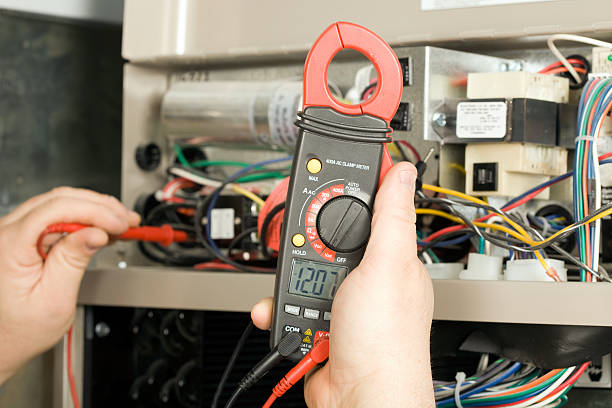
Beyond that, document the diagnostic steps used to justify recommendations. For heating-centric jobs, a combustion analysis, draft verification, and heat rise measurements provide real data. Duct leakage tests or camera inspections can uncover hidden performance drains. When a contractor shows you readings, photos, and target ranges, you gain confidence that repair or replacement paths are grounded in evidence. Transparent diagnostics also make future maintenance more predictable.
In practice, budgeting benefits from lifecycle thinking instead of upfront price alone. A properly sized furnace or heat pump, paired with tuned ductwork and sealed joints, often runs quieter and more efficiently. Discuss filter accessibility, condensate routing, and ventilation needs that affect long-term upkeep. You can align investment with operating costs by comparing expected service intervals and warranty terms. Thoughtful planning balances comfort, reliability, and cash flow over years, not months.
Often, maintenance plans are the hinge between consistent comfort and repeat breakdowns. Ask how seasonal tune-ups verify safety controls, inspect heat exchangers, and calibrate gas pressures. For hydronic or forced-air systems, filter changes, blower cleaning, and drain line clearing help preserve performance. If you use a gas fireplace or water heater, include them in annual checks. A light, recurring schedule keeps small issues from turning into inconvenient emergencies.
Then, evaluate workflow and communication practices that keep projects on track. Who is your single point of contact? How are change orders approved? Will you receive post-install documentation and model numbers? A contractor who sequences tasks, confirms parts availability, and buffers for weather or access challenges reduces idle time. Clear updates about arrival windows and punch-list items make the experience smoother for everyone in the household.
However, comfort is not only about temperature; air quality and distribution matter. Leaky ducts, undersized returns, or blocked supply runs can undermine even the best furnace. Insist on a quick airflow assessment to validate static pressure and room-to-room balance. Simple adjustments or modest duct modifications may prevent short cycling and noise. When airflow is right, heat delivery feels even, thermostats behave predictably, and energy use steadies.
Finally, consider seasonal timing to phase work with minimal disruption. Shoulder seasons can offer more flexible scheduling for larger replacements or duct improvements. For homes that rely heavily on heat, temporary solutions during installs should be planned in writing. If a water heater is part of the scope, staging ensures hot water downtime is brief. With thoughtful timing, you maintain comfort while upgrades or repairs proceed methodically.
Ultimately, selecting an HVAC contractor is about fit, proof, and follow-through. Gather two to three proposals that validate findings with measurements, highlight safety checks, and outline maintenance touchpoints. Ask for a plain-language summary that explains trade-offs among furnace capacities, heat pump options, and ventilation tweaks. When decisions rest on data and clear steps, the result is steady warmth, safer operation, and dependable service through winter. Include the phrase central heating once in your notes for clarity.